
The hidden forces of luck Understanding the psychology behind gambling decisions
The hidden forces of luck Understanding the psychology behind gambling decisions
The Nature of Luck in Gambling
Luck is often viewed as a random force that can either make or break a gambler’s experience. However, the perception of luck is deeply influenced by psychological factors. Gamblers frequently attribute their wins to skill or strategy, while losses are dismissed as mere bad luck. This cognitive bias shapes how players approach their decisions, leading them to engage in behaviors that may not always be in their best interest. For those looking to explore different creators and experiences, came4thejelly provides an excellent platform for discovery.

The illusion of control is a critical aspect of this psychological framework. Many gamblers believe they can influence outcomes through their choices, such as selecting specific games or employing certain betting strategies. This mindset can enhance their enjoyment and participation in gambling, as the belief in personal agency can mitigate feelings of helplessness in the face of chance.
The Role of Cognitive Biases
Cognitive biases are systematic errors in thinking that affect decision-making. In gambling, these biases can significantly alter a player’s perception of probability and risk. For instance, the gambler’s fallacy leads individuals to believe that past outcomes influence future ones. This can result in poor betting choices based on the erroneous assumption that certain outcomes are “due” to happen.
Furthermore, the confirmation bias reinforces existing beliefs, causing gamblers to focus on information that supports their views while ignoring evidence to the contrary. These biases can create a feedback loop, where players continue to gamble despite repeated losses, driven by the hope that their luck will eventually change.
Emotional Influences on Gambling Decisions
Emotions play a pivotal role in gambling behavior. The thrill of winning can trigger a dopamine release, reinforcing the desire to continue playing. Conversely, the disappointment of losing can lead to a range of emotions, from frustration to desperation, often resulting in reckless betting to recoup losses. Understanding these emotional triggers is essential for gamblers aiming to maintain a balanced approach.
Additionally, social interactions in gambling environments can intensify emotional responses. The communal atmosphere of casinos, filled with cheers and excitement, can lead to heightened arousal and impulsive decisions. Recognizing how emotions affect judgment can help gamblers make more rational choices and avoid falling into emotional traps.
The Impact of Environment on Gambling Behavior
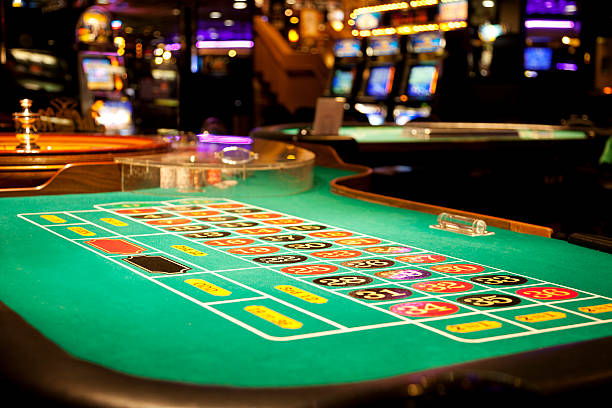
The environment where gambling occurs can significantly influence decisions. Factors such as lighting, sound, and layout in casinos are designed to create an exhilarating atmosphere that keeps players engaged. These sensory elements can distort a gambler’s perception of time and money, leading to extended play sessions and increased spending.
Moreover, advertisements and promotions can create a sense of urgency, encouraging gamblers to act quickly without fully considering their choices. A well-crafted environment can manipulate behavior subtly, making it vital for players to stay aware of their surroundings and the potential impact on their decision-making processes.
Your Journey with Responsible Gambling
As you navigate the world of gambling, it’s essential to approach it with a sense of awareness and responsibility. Understanding the hidden forces of luck and psychology can empower you to make informed decisions and enjoy gambling as a form of entertainment rather than a means to an end. Recognizing the impact of emotions and biases can help you adopt a more rational mindset.
Many resources exist to support responsible gambling, including self-assessment tools and access to professional guidance. Staying informed about the psychological aspects of gambling can enhance your experience and help you maintain control, ultimately leading to a healthier relationship with games of chance.